

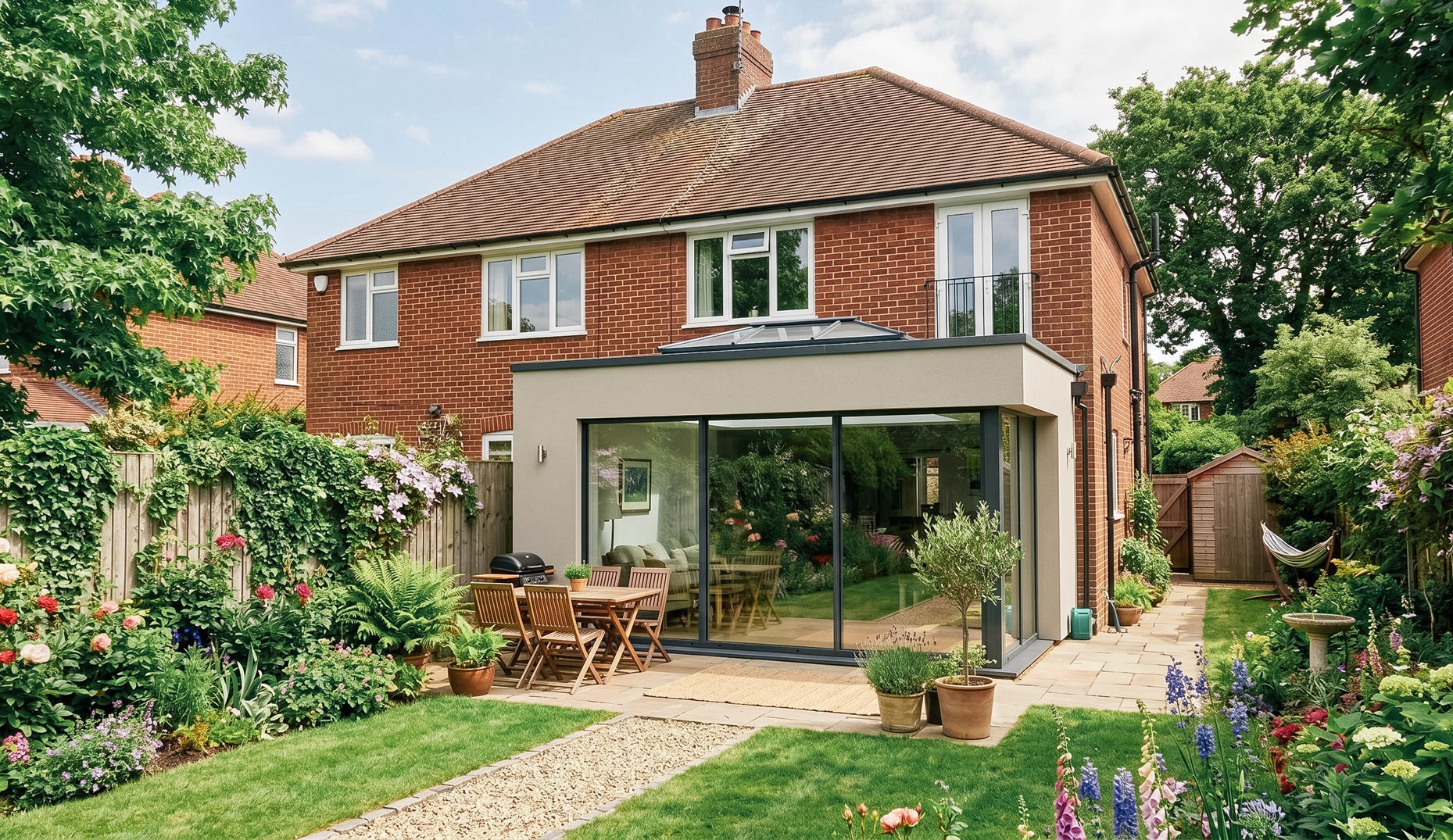
So, You’re Thinking About an Extension?
You’ve outgrown your living room. The kitchen doesn’t quite work. The kids have commandeered every spare inch of the house and you’re dreaming of a home that actually fits your life. If any of that sounds familiar, you’re in the right place.
A well-designed extension doesn’t just add square footage — it fundamentally changes the way you experience your home. Done thoughtfully, it can transform a cramped terrace into a flowing, light-filled family space, or turn a standard semi into something that feels uniquely, unmistakably yours.
But where do you even begin? Planning rules, structural surveys, architect fees, building regulations — it can feel like a mountain before you’ve moved a single brick. This guide is here to make that mountain a lot more manageable.
What Kind of Extension Are You After?
Before anything else, it helps to understand the main types of extensions available. Each has its own benefits, considerations, and planning implications.
Single-Storey Rear Extension
The most popular choice for UK homeowners. A single-storey extension to the rear of your home typically adds a kitchen-diner, family room, or utility space. It’s often achievable under Permitted Development rights (more on that below), which means no formal planning application in many cases.
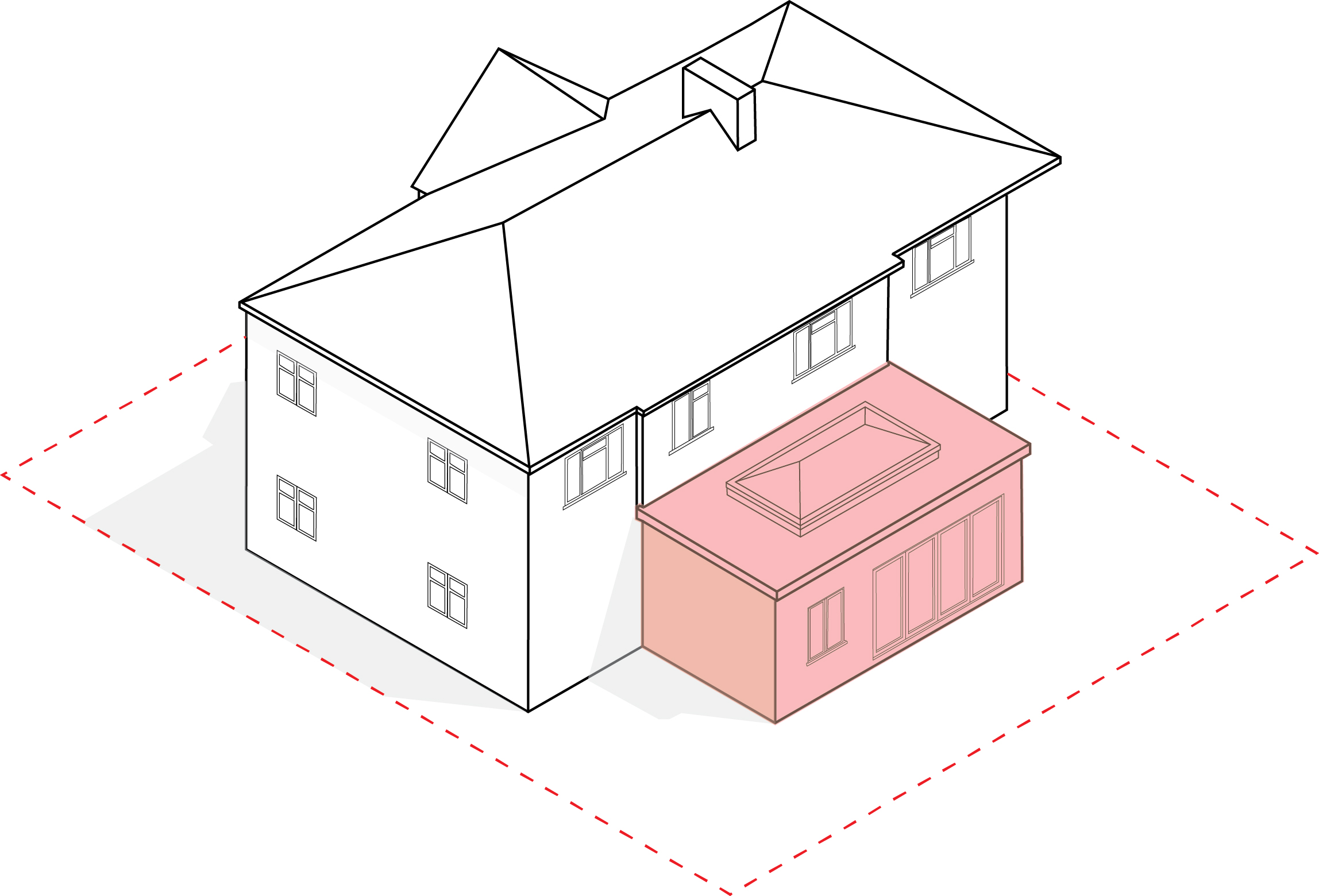
Double-Storey Extension
If you need more space across multiple floors — a new bedroom above and a larger living area below — a double-storey extension delivers real value. These almost always require planning permission, but when well-designed, they can dramatically increase both usable space and property value.
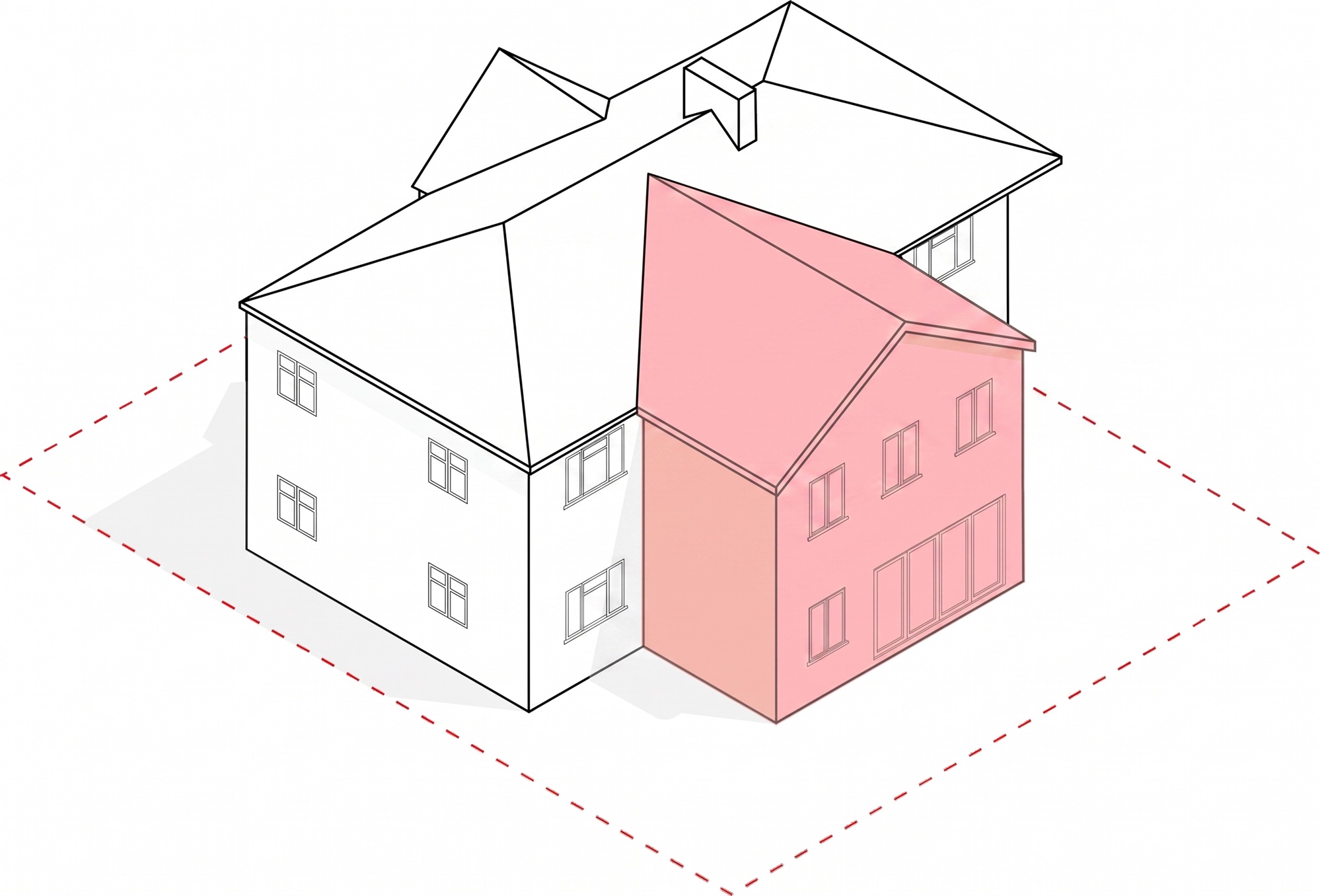
Side Return Extension
Common in Victorian and Edwardian terraces, the side return extension fills in the narrow alley beside your kitchen to create a wider, more cohesive ground floor. It’s a relatively modest change structurally, but the spatial transformation can be remarkable.
Wrap-Around Extension
A combination of rear and side return, this option maximises ground-floor space. It’s ideal for open-plan living and tends to suit families who want to merge kitchen, dining, and living into one generous, connected space.
Loft Conversion
Technically not a ground-floor extension, but worth mentioning. Converting an existing loft into a bedroom, study, or bathroom can add significant space without touching your garden — and many conversions fall under Permitted Development too.
Basement Extension
More complex and costly, but increasingly popular in urban areas where above-ground space is limited. Basement extensions require specialist structural input and almost always need planning permission.
How Much Does an Extension Cost in the UK?
The honest answer is: it depends. But we know that’s not especially helpful, so here’s a more practical breakdown.
Typical Cost Ranges
Single-storey rear extension: £1,500–£2,500 per m² | Double-storey: £1,800–£3,000 per m² | Side return: £1,200–£2,000 per m² | Wrap-around: £2,000–£3,500 per m² These are build costs only. Add architect fees (8–15% of build cost), structural engineer fees, and planning/Building Regulations costs on top.
Several factors affect the final number: your location (London and the South East tend to run 15–25% higher), the complexity of the design, the quality of materials, and whether you’re working on an existing structure that needs remedial work. An architect who asks the right questions early can help you understand costs before you commit to anything.
The Extension Process: Step by Step
One of the most common things we hear from clients is: “I had no idea it would involve this many steps.” Fair enough — but each stage exists for a reason, and understanding the process helps you plan properly.
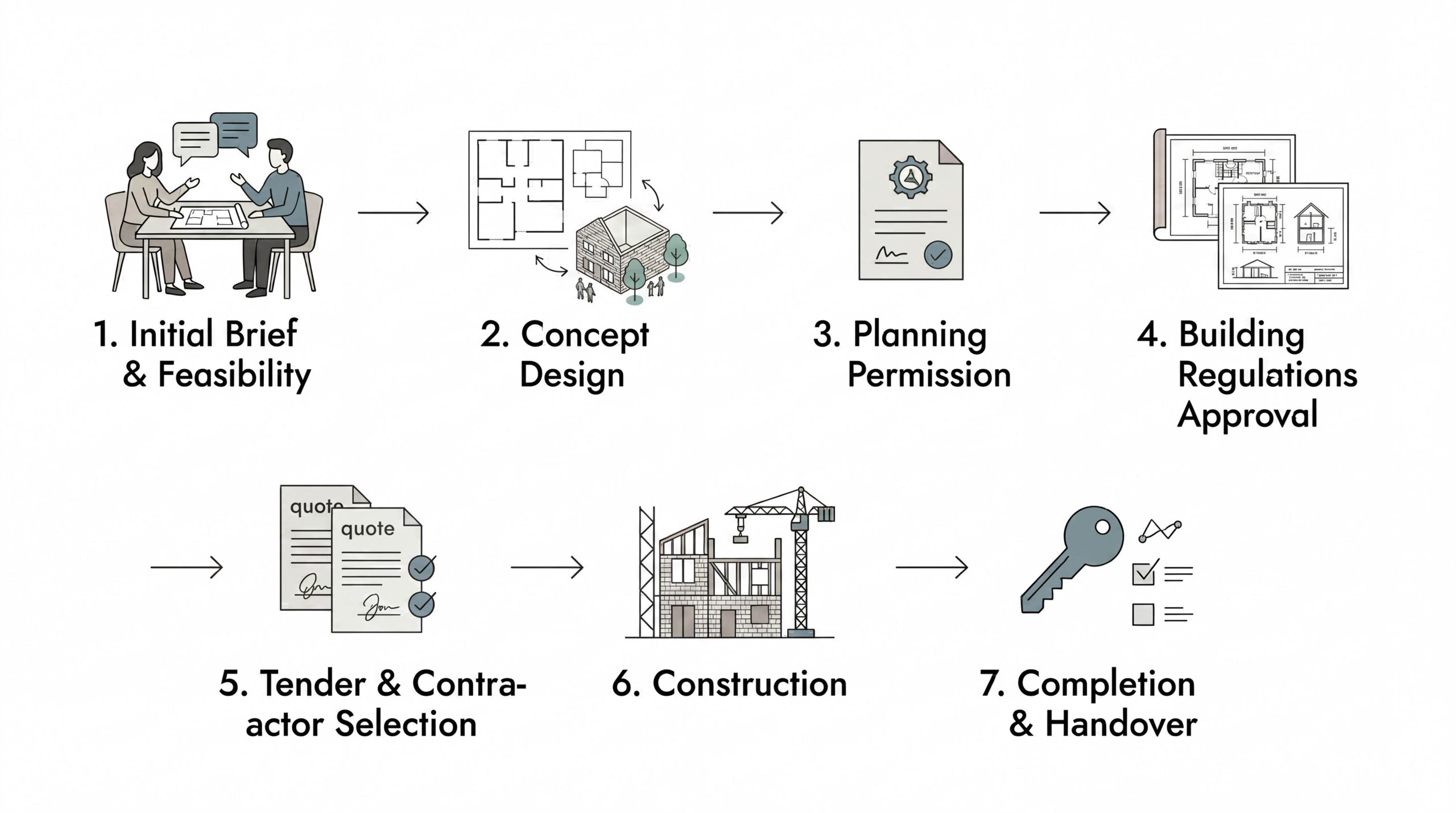
1. Initial Brief & Feasibility
This is where you and your architect sit down and talk honestly about what you want, what’s possible, and what budget you’re working with. A good architect will ask probing questions about how you actually live, not just how many rooms you want.
2. Concept Design
Based on the brief, your architect will develop initial concepts — floor plans, elevations, perhaps 3D visuals — to help you see the space before anything is built. This is an iterative stage; expect a few rounds of refinement.
3. Planning Permission (If Required)
If your project doesn’t fall under Permitted Development, a formal planning application is submitted to your local planning authority. This typically takes 8 weeks for a standard application, though timelines can vary.
4. Building Regulations Approval
Separate from planning, Building Regulations ensure your extension is structurally sound, energy efficient, and safe. Your architect and structural engineer will prepare the necessary drawings and calculations.
5. Tender & Contractor Selection
Your architect will help you prepare tender documents and obtain quotes from builders. This stage can take 4–8 weeks, depending on the market. Don’t just go with the cheapest — look for experience, references, and communication.
6. Construction
Build time for a typical single-storey extension is 10–16 weeks. Your architect should make periodic site visits to check quality and progress, and any issues that arise can be resolved before they become expensive problems.
7. Completion & Handover
Final inspections, snagging, and Building Control sign-off. When everything’s signed off and the builders have cleared out, you get the keys to your new space.
What Makes a Great Extension?
Space is only part of the story. The best extensions do something more than add square footage — they improve the way a home feels.
At Blank Line Architecture, we think about extensions in terms of three core qualities:
- Light: How does natural light move through the space? South-facing glazing, roof lights, and carefully positioned openings can make even a modest extension feel generous and uplifting.
- Connection: How does the new space relate to the existing house and the garden? The best extensions blur the boundary between inside and outside, especially in the UK where we’re so hungry for that connection to nature.
- Proportion: A poorly proportioned extension can look like an afterthought. Getting the scale, materials, and detailing right takes experience and a careful eye.
We also consider sustainability as standard — not as a box-ticking exercise, but because the decisions made at design stage have a real and lasting impact on energy use, comfort, and running costs.
Do I Really Need an Architect?
Technically, no — you don’t legally need one. But the better question is: would you do your own conveyancing? Would you remove your own appendix?
An architect brings more than drawing skills. They translate your instincts into buildable designs, navigate the planning system on your behalf, coordinate with structural engineers and contractors, and fight your corner when things get complicated — which they often do.
More importantly, a great architect will challenge your assumptions in the best way. The brief you walk in with often isn’t the same as the brief that produces the best outcome. That clarity only comes from a thoughtful, experienced professional asking the right questions.
We work closely with every client from the very first conversation, making sure we fully understand your home, your lifestyle, and your ambitions before a single line is drawn. Our projects range from compact urban extensions to ambitious residential transformations — and we bring the same care and attention to all of them.
Ready to Start the Conversation?
Whether you’re at the earliest stage of thinking about an extension, or you have a clear vision you’re ready to develop, we’d love to hear from you.
Get in touch with the Blank Line Architecture team, we’re always happy to have an initial conversation, no obligation required.